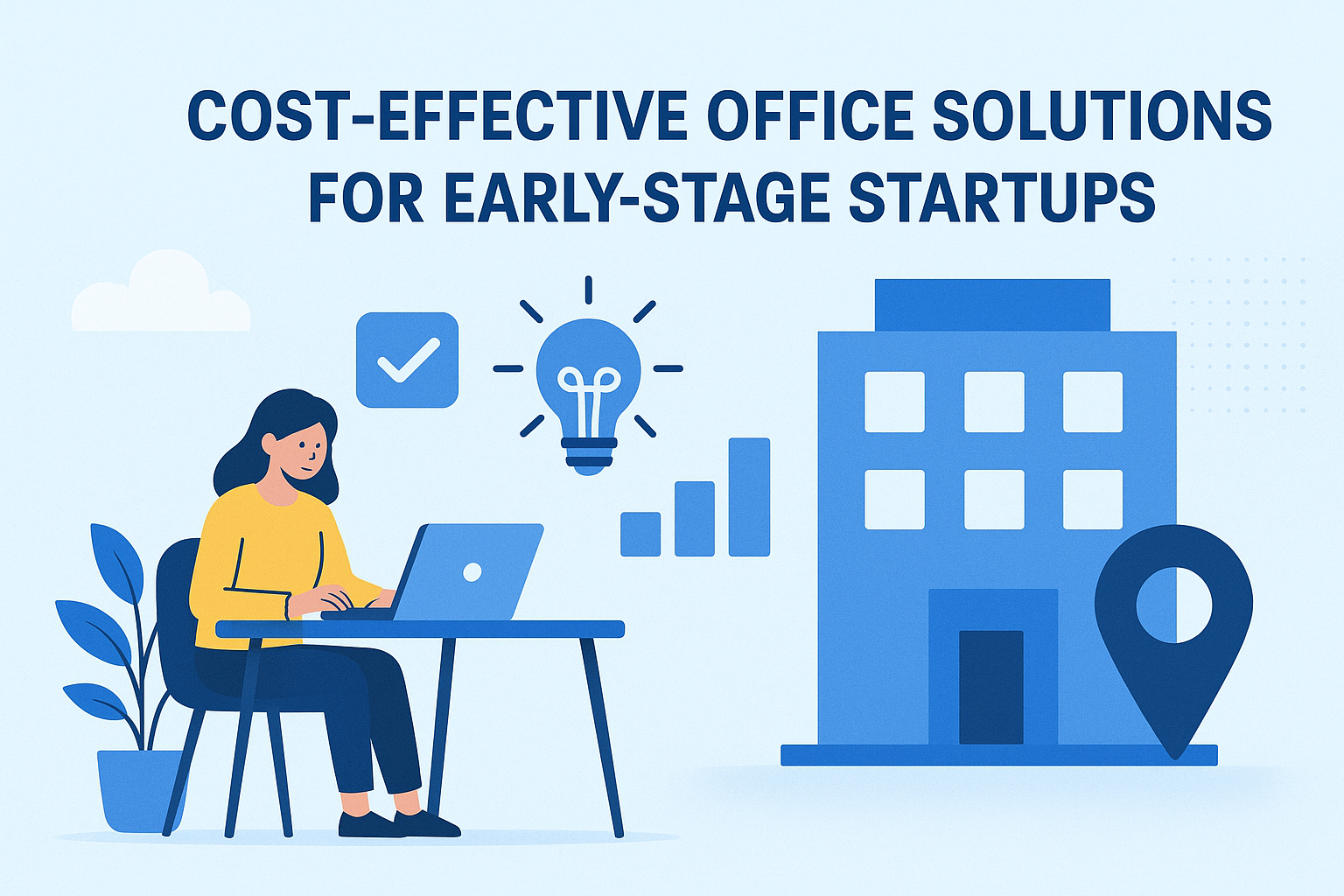
Starting a business is an exciting journey, but for early-stage startups, managing costs effectively is just as important as innovation and growth. One of the biggest challenges entrepreneurs face is finding affordable office space that supports productivity, team collaboration, and client interactions. Here are some cost-effective office solutions for startups looking to scale smartly without breaking the bank.
1. Coworking Spaces
Coworking spaces have become a go-to option for startups because they offer flexibility, affordability, and networking opportunities. Instead of committing to long-term leases, entrepreneurs can rent desks, private cabins, or meeting rooms as per their requirements. Coworking hubs also foster collaboration with other startups, freelancers, and businesses, creating a community-driven work culture.
Key Benefits:
- Flexible rental terms
- Shared utilities and amenities
- Access to events and networking opportunities
- Professional work environment without high overhead costs
2. Shared Office Spaces
Shared office spaces allow startups to split costs with other businesses. By sharing utilities, internet, and common areas, startups can cut down on overhead expenses. This arrangement is particularly useful for very small teams or solo entrepreneurs who need a professional environment without heavy costs.
Key Benefits:
- Reduced monthly expenses
- Opportunity to build partnerships with co-tenants
- Access to office infrastructure like printers, internet, and reception services
3. Virtual Offices
For startups that don’t require a physical office, virtual offices are a game changer. They provide a professional business address, mail handling services, and even access to meeting rooms when needed. This helps startups maintain credibility with clients while saving significantly on rent.
Key Benefits:
- Professional image without physical space
- Affordable pricing plans
- Mail handling and call forwarding services
- Meeting space access when necessary
4. Incubators and Accelerators
Joining an incubator or accelerator program often comes with the perk of subsidized or free office space. Apart from cost savings, startups gain access to mentorship, investor connections, and business development resources.
Key Benefits:
- Low-cost or free workspace
- Access to expert mentors and industry leaders
- Networking with other startups
- Potential funding opportunities
5. Work-from-Home & Hybrid Models
With advancements in remote collaboration tools, many early-stage startups are adopting hybrid or fully remote setups. This minimizes office space requirements while still maintaining efficiency.
Key Benefits:
- Savings on rent and utilities
- Flexibility for team members
- Wide talent pool not restricted by geography
6. On-Demand Meeting Rooms
Startups often don’t need large offices daily but do require professional meeting spaces occasionally. Platforms offering on-demand meeting rooms allow entrepreneurs to book spaces by the hour, saving money on permanent leases.
Key Benefits:
- Pay-as-you-use model
- Professional setting for client meetings
- No long-term commitments



Leave a comment